AFT Impulse Creative Modeling Technique for Multiple Pump Trip Conditions
AFT Impulse™ Case Study
Access Pipeline Inc. | Crude Oil Terminal | Oil & Gas

“(The AFT Impulse sub-model) enables us to closely simulate
real process control logic and shutdown conditions.”
-Jianmin (James) Yang, Pipeline Engineer
PROBLEM
- Assess overpressure risk during upset events, specifically pump trips at a crude oil terminal
- Timing of the pump trips was a key factor, so they had to capture the control logic of pump shutdown
ANALYSIS
- AFT Impulse modeled the pump trips based on complex logic
- A sub-model was linked to the main model to better capture the transient logic
SOLUTION
- Engineers were able to analyze the flow and pressure behavior to ensure shutdown events did not cause excessive surge
Ready to try AFT Impulse?
Problem Explained
Jianmin (James) Yang, pipeline engineer at Access Pipeline, used AFT Impulse to model a crude oil terminal consisting of a feed pump, tanks, a delivery booster pump, metering and a delivery shipping pump (see Figure 1). The purpose of the model was to assess the overpressure risk during upset events, particularly pump trips.
The timing of booster pump trips is a key factor that can impact peak surge pressure, and the system’s control logic causes the booster pumps to trip when various, independent events occur. These events include a low flow at the booster pump, a high booster pump discharge pressure, and high and low shipping pump suction pressures.
Tools & Analysis
In order to create a model reflective of the actual system, Yang needed to account for the control logic.
Previously, the control logic was accounted for by first running the model to see at what time the booster pumps would trip, then entering this time into the transient scenario. However, this method requires two separate runs for every case, making it tedious and time consuming.
To mitigate this, Yang built a sub-model in AFT Impulse (see Figure 2). The sub-model consists of several valve assemblies in parallel with an assigned pressure on both sides. Each valve represents a single booster pump trip condition and, should the system meet any of the trip conditions, a valve will open to allow flow through the logic pipe. The booster pumps are then programmed to trip if there is flow through the logic pipe, thus eliminating the need for an intermediate run.
Solutions & Benefits
“Shutdown events are very common in facilities related to (the) oil industry,” Yang said. “(The AFT Impulse sub-model) enables us to closely simulate real process control logic and shutdown conditions.” In addition to the sub-model, Yang also used AFT Impulse’s stacked graph capability to analyze multiple system parameters. This helped him gain insight into the behavior of the system as the transients progressed (see Figure 3).
Access Pipeline, Inc.
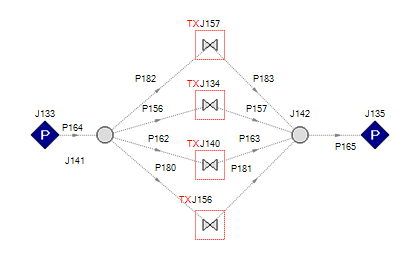
FIGURE 2: Logical sub-model representing the pump control logic.
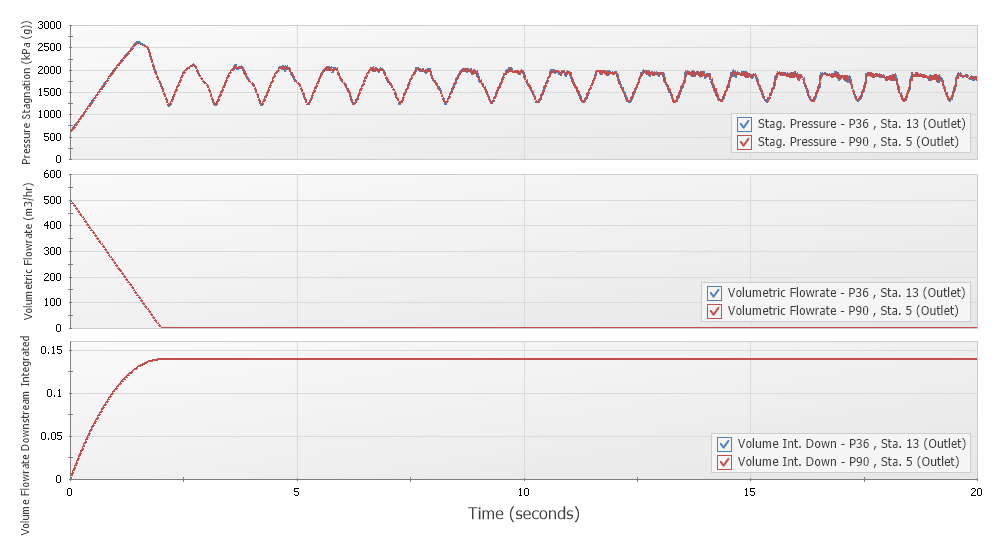
FIGURE 3: Yang used AFT Impulse’s stacked graph capability to analyze multiple system parameters