
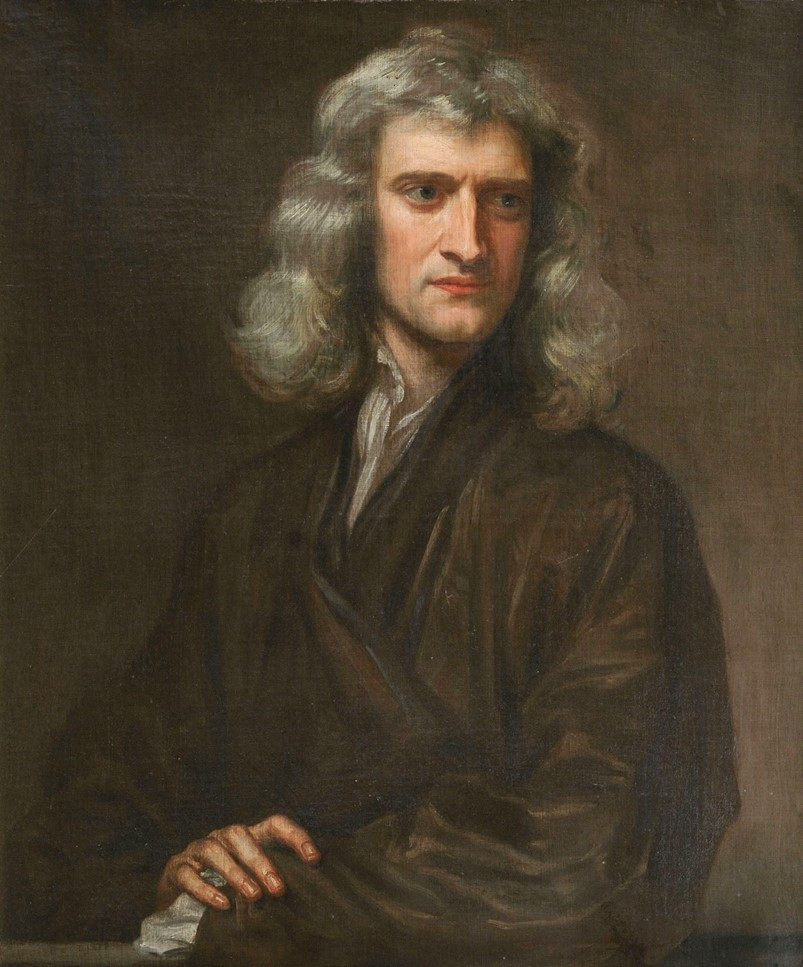
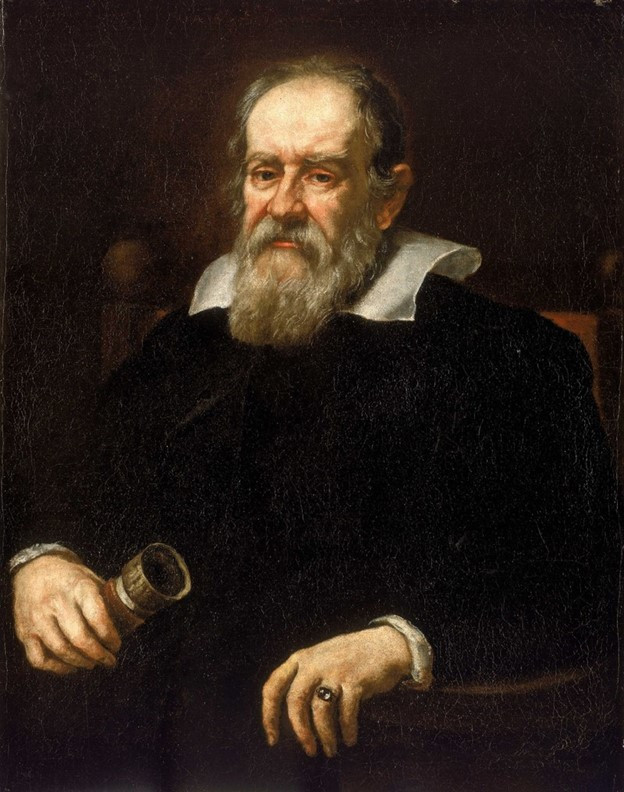
I suspect Europeans who live near world history sites just accept this as normal. For a backwater American like me, it is amazing to come across the final resting places of Isaac Newton and Galileo. I recently had that privilege in London and Florence.
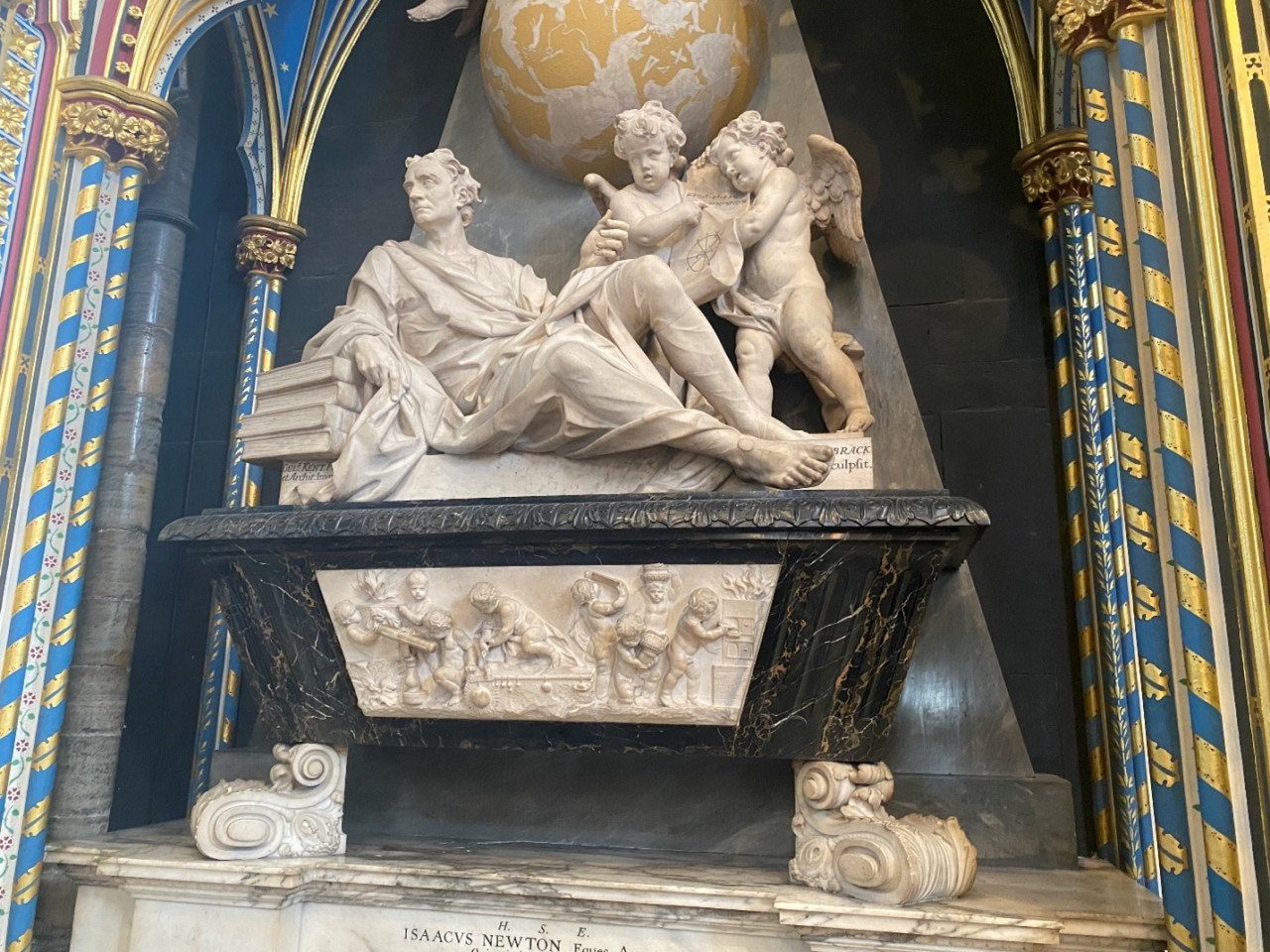
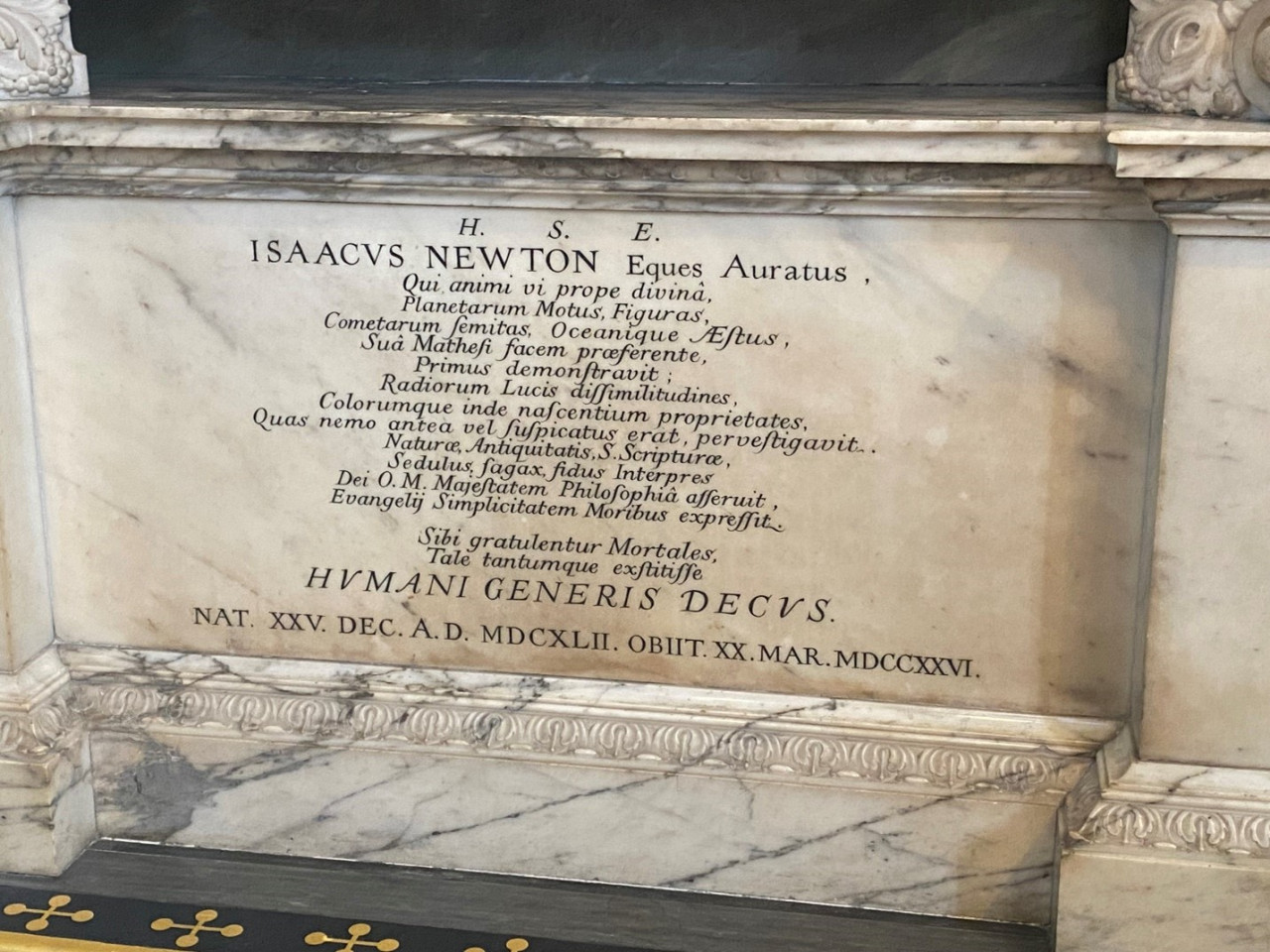
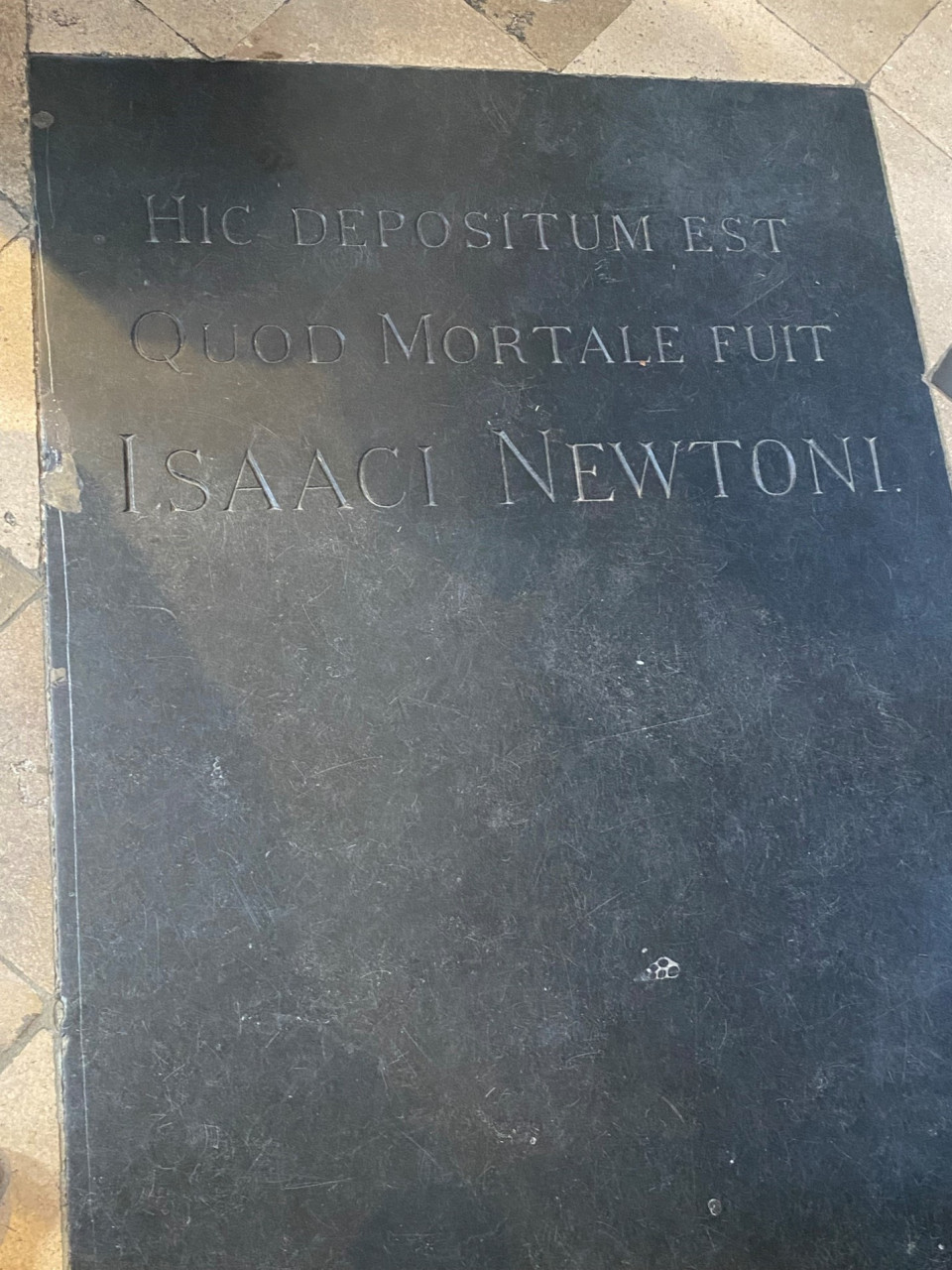
On my 60th birthday in early April, I had the privilege of visiting Westminster Abbey. Among the many world-changing historical touchpoints in that building, one was Isaac Newton’s final resting place (see my photos in Figs. 1a-c).
I am confident Newton would be happy with how we at AFT are using his Laws in predicting transient forces in pipes from water and steam hammer in AFT Impulse and AFT xStream. However, I do not believe Newton would approve of how others do it.
Other famous scientific luminaries whose final resting places are near Newton include Maxwell, Faraday, Darwin, Lord Kelvin and Hawking.
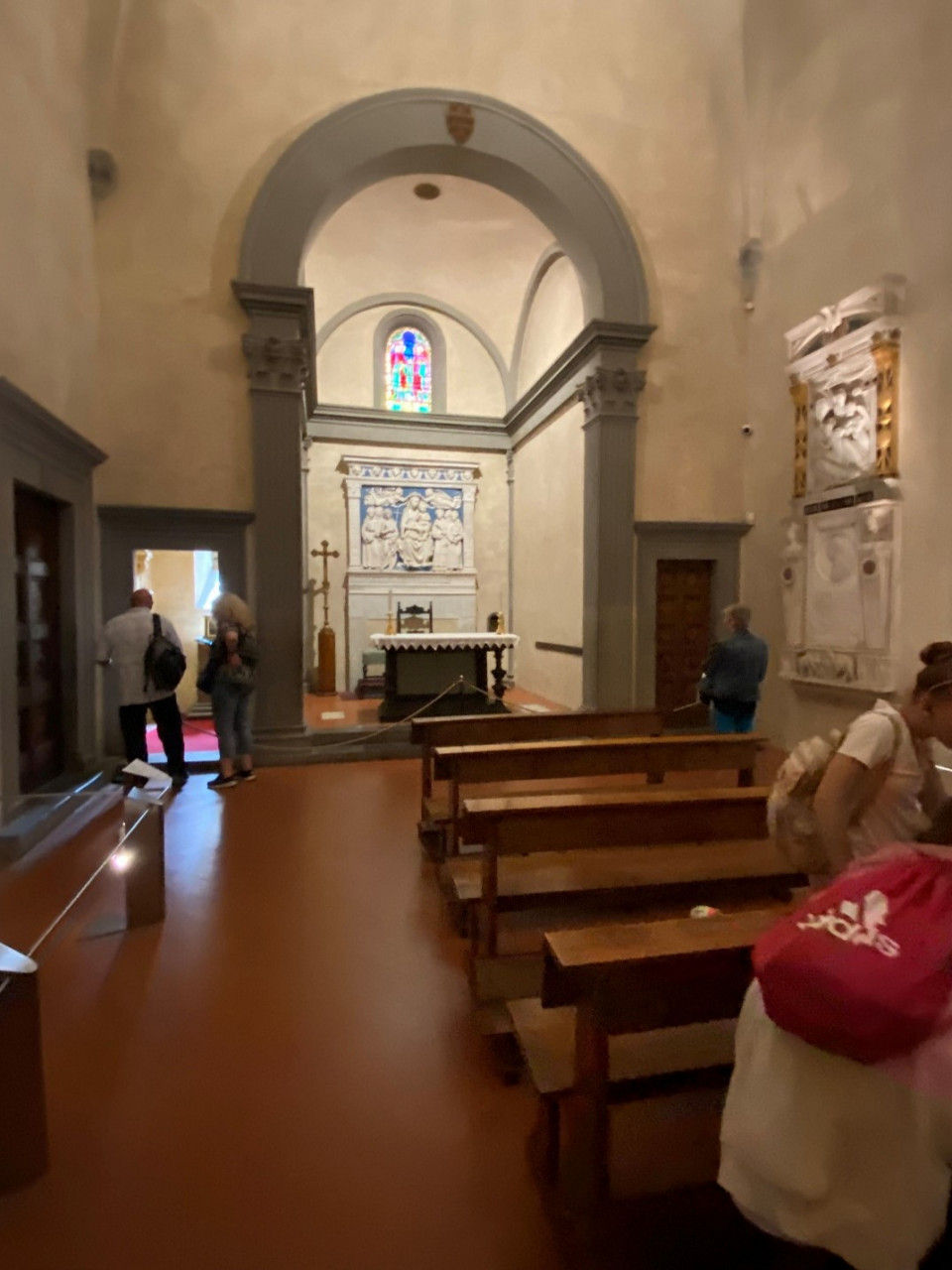
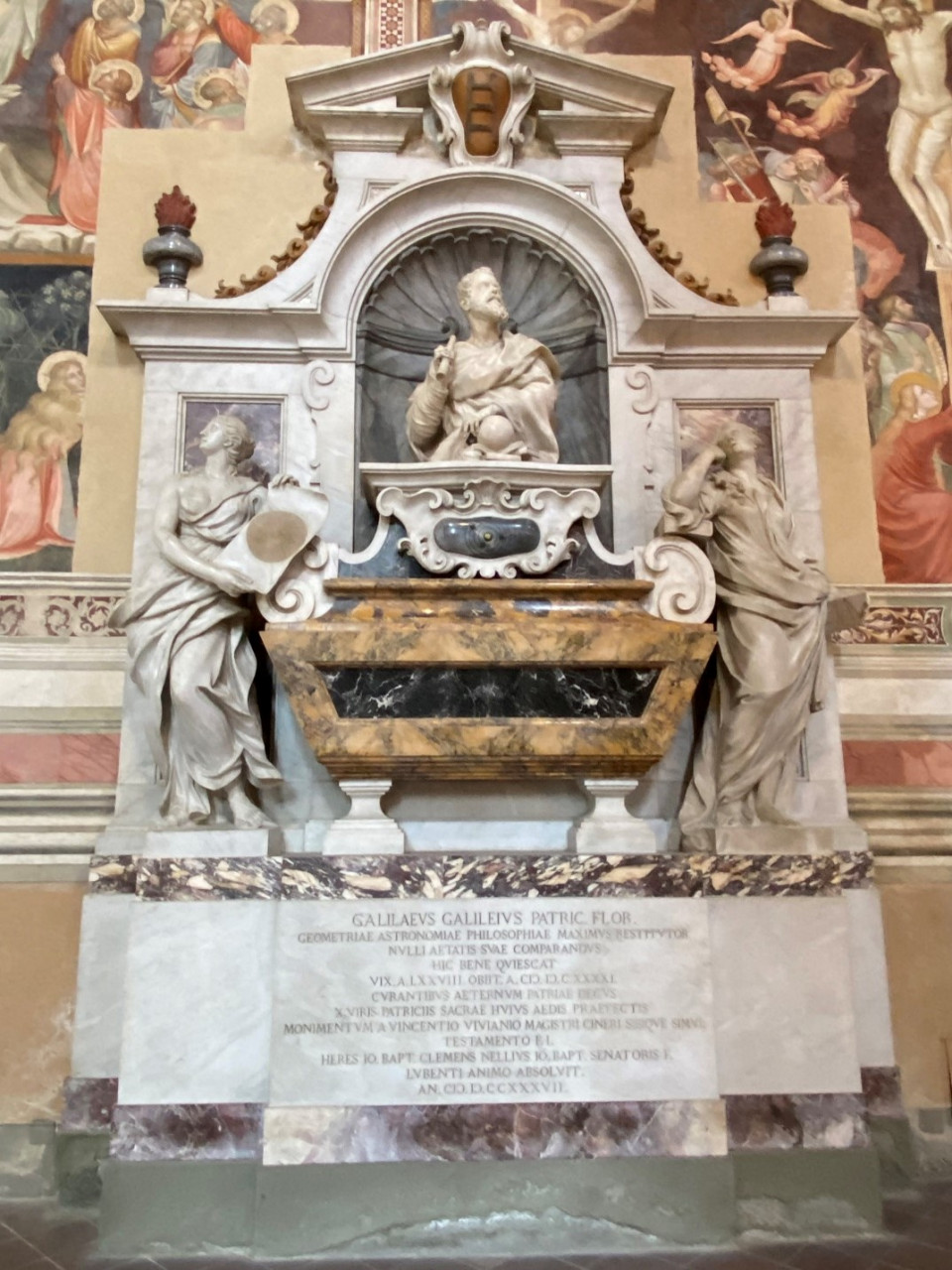
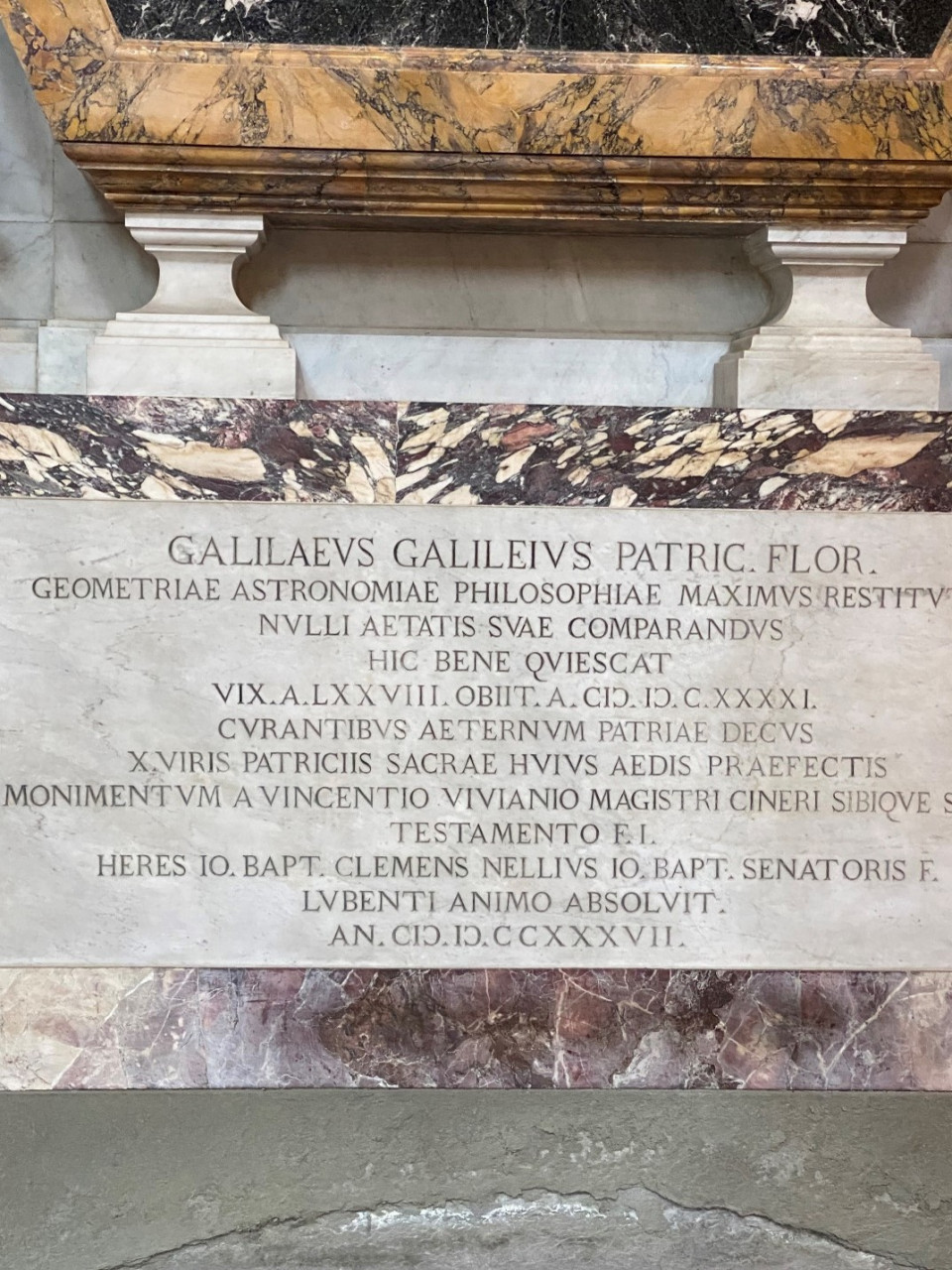
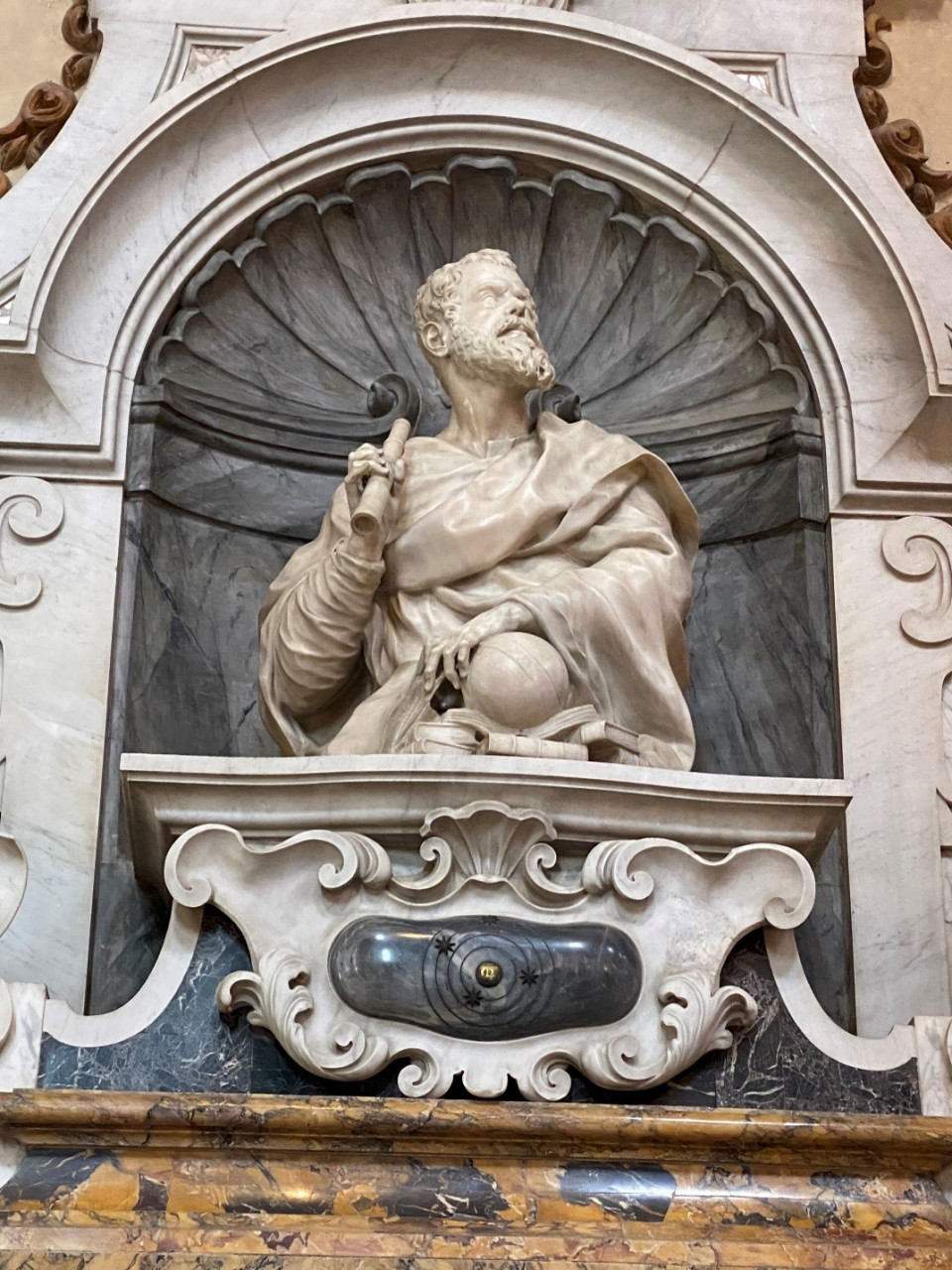
Later in my trip to Europe (early May by this time) I visited Florence, Italy. While there I spent some time at the Basilica of Santa Croce. Galileo had a reputation for being pugnacious and that extended to his relationship with the Catholic Church. As a result, even though he desired to be buried next to his father in the Basilica, his body was instead buried in a side chapel for many years (see photo I took in Fig 2a). For 95 years he laid there until being moved into the main Basilica (see my photos in Figs. 2b-d).
Galileo preceded Newton in life and in fact Newton was born in the same year that Galileo died. Newton built on the work of Galileo when developing his groundbreaking Laws of Motion.
It is fair to say I got a lot of mileage out of my 60th birthday – literally and figuratively!
AFT President & Founder | ASME Fellow - Trey founded AFT in 1993. He was the original developer of AFT Fathom (including the GSC and XTS modules), AFT Arrow and AFT Impulse. He was active in software development until 2011 and still works with the development team in addition to managing AFT. He has taught hundreds of training classes on AFT’s software products in twelve countries across every populated continent. He worked previously for General Dynamics in cryogenic rocket design and Babcock & Wilcox in steam/water equipment design. He holds a BSME (1985) and MSME (1986), both from the University of California, Santa Barbara. He is a registered Professional Engineer.